

- On sale!
- -£1.00

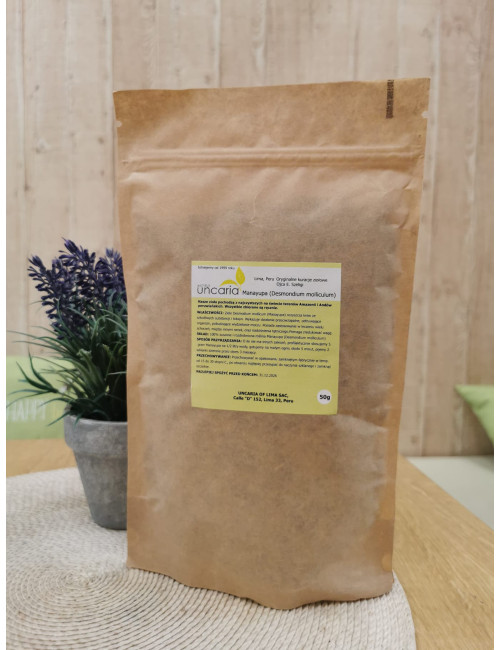
Manayupa from Peru for Body Cleansing
The botanical name of Manayupa is Desmodium molliculum, and it belongs to the Fabaceae family. The name Manayupa itself originates from an ancient Incan phrase in the Quechua language: “runa mana yupana”, which translates as “its properties are countless.” Other common names used for this plant in Peru include Amor seco and Suelda con suelda.
Manayupa grows in the Peruvian Andes at altitudes ranging from 3,000 to 3,600 metres above sea level, predominantly among rocky terrain. It is a perennial shrub that reaches a height of approximately 50 centimetres. The stems of Manayupa are light and flexible and therefore tend to trail along the ground. They are brownish in colour and covered with dense fine hairs. The roots extend very deeply into the soil and are highly developed, which, like Vilcacora, makes the plant resistant to drought.
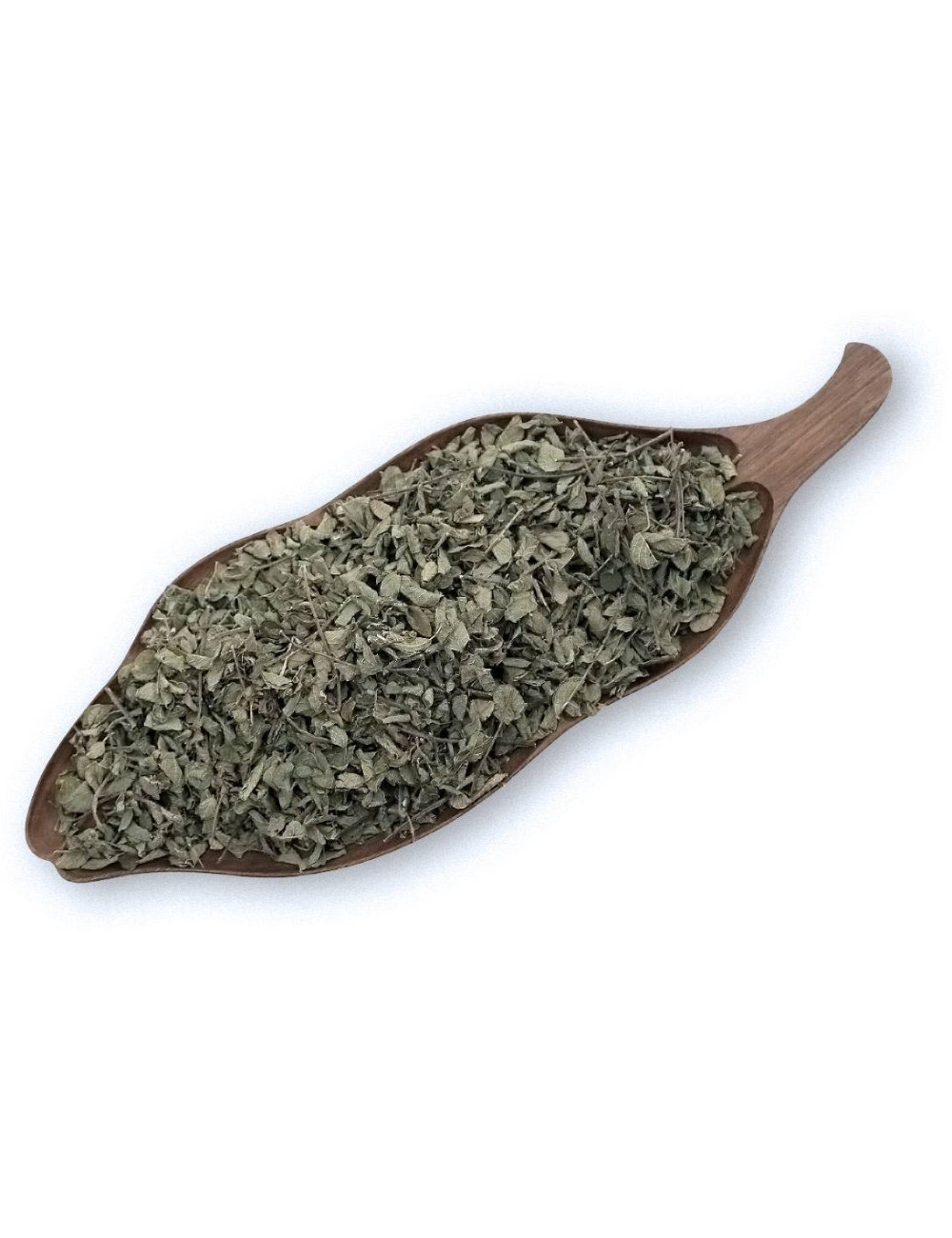
The leaves are a vivid green colour, lance-shaped or oval in form, and are also covered with fine hairs. During the flowering season, the plant produces numerous very small flowers that are pale blue or light pink. For medicinal purposes, the entire dried plant is used, from which a decoction is prepared.
Chemical Composition and Traditional Medicinal Properties
Analyses conducted to date have confirmed the presence of compounds such as flavonoids, saponins and glycosides in Manayupa.
Flavonoids are a group of water-soluble phytochemicals naturally occurring in the plant kingdom. They comprise approximately 6,000 organic compounds found in all parts of plants, including leaves, flowers, fruits, seeds and roots, contributing to their characteristic taste, aroma and colour. In plants, flavonoids help protect cells against disease and the harmful effects of sunlight, fungi and insects.
The flavonoids present in Manayupa are traditionally associated with support for the cardiovascular system and overall wellbeing. Manayupa is believed to help strengthen the walls of small blood vessels, support healthy circulation, particularly within the heart muscle, and contribute to the body's natural defence mechanisms. It has also traditionally been used for its antibacterial, anti-inflammatory, antispasmodic, anti-ulcer, expectorant and diuretic properties. In addition, it is considered a natural source of antioxidants that help protect cells against oxidative stress caused by free radicals.
The plant also contains tannins and mineral salts, particularly calcium and aluminium compounds.
Saponins are a well-known group of naturally occurring compounds found in more than 500 plant species. The saponins present in Manayupa are traditionally associated with anti-inflammatory, antifungal and antibacterial properties. Some studies have suggested that saponins may form complexes with bile acids in the intestines, which could help reduce the potential harmful effects of certain cholesterol and fatty acid metabolites within the digestive tract.
Glycosides are among the most diverse groups of biologically active substances found in plants. This diversity relates both to their chemical structure and their biochemical properties. All glycosides contain a sugar component (glycone) and a non-sugar component (aglycone).
Manayupa is reported to contain cardiac glycosides, compounds traditionally associated with supporting heart function, promoting healthy circulation, stimulating kidney activity and helping to reduce fluid retention.
Traditional Uses of Manayupa
Due to its chemical composition as described above, Manayupa has traditionally been used for a wide range of health conditions. It is particularly recommended in traditional herbal practice for individuals who lead stressful lifestyles, frequently expose themselves to sunlight or tanning beds, smoke or are regularly exposed to tobacco smoke, consume alcohol excessively, have irregular eating habits, experience circulatory problems, or are prone to recurrent infections.
Traditionally, Manayupa has been used to support cardiovascular and heart health, including maintaining healthy blood pressure levels, supporting the immune system, and assisting the body's response to inflammatory conditions, particularly those affecting the kidneys and urinary tract. It has also been used to support digestive health, including the stomach, duodenum, intestines and liver, as well as in cases of rheumatic and arthritic complaints.
In traditional herbal medicine, Manayupa has additionally been used in support of individuals affected by allergies, fungal conditions and various types of infections. It is also widely valued as a natural herb traditionally used to support the body's cleansing and detoxification processes.
Preparation and Use of Manayupa
For traditional herbal use, a decoction is prepared from the entire dried aerial parts of the Manayupa plant, excluding the root.
The amount used depends on individual requirements, but typically between 5 g, 10 g or 20 g of dried herb per litre of water is recommended.
The herb should be simmered gently over a very low heat for approximately five minutes, then removed from the heat and left to infuse and cool.
The resulting decoction is usually consumed at room temperature between meals for a period of at least 30 days, unless otherwise advised by a qualified healthcare practitioner.
Product Details

1 Item
Facebook Comments is not configured
In the same category


- Out-of-Stock


- Out-of-Stock


- New




Instytut Uncaria
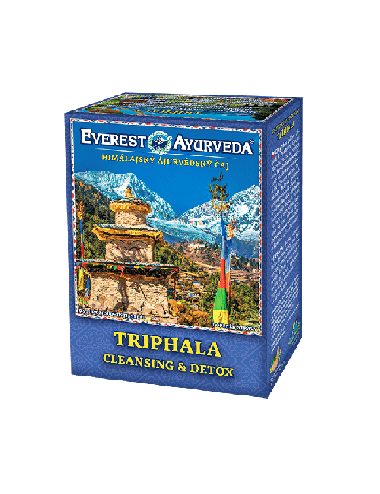
Triphala Detoxification of Intestinal Tract Ayurveda Tea 100g, Everest Ayurveda
£9.99
£8.99
- On sale!
- -£1.00


Product Comments